The Difference Between Being Alone and Being Unknown
Loneliness is often described as being alone.
But over the years, I have come to think that loneliness is not always about the absence of people.
Sometimes it is about the absence of connection.
You can be surrounded by people and still feel lonely.
You can attend events, sit in crowded rooms, go to work, visit shops and pass countless faces throughout the day.
Yet still feel unseen.
Still feel disconnected.
Still feel unknown.
When Presence Is Not the Same as Connection
One of the challenges in modern life is that we often confuse being around people with feeling connected to them.
We can exchange greetings, attend meetings, scroll through social media and interact with dozens of people every day.
Yet meaningful connection requires something deeper.
It requires feeling understood.
Feeling valued.
Feeling that someone is interested not just in what we do, but in who we are.
Many people experience this quiet form of loneliness. From the outside, their lives may appear full of interaction, yet internally they may feel isolated because those interactions never move beyond the surface.
We need relationships that allow us to feel recognised, accepted and genuinely seen.
For some people, particularly those who receive a range of services or support, there may be many people involved in their lives. Appointments, visits, professionals and carers can mean that they are rarely physically alone.
Yet being surrounded by people does not necessarily mean being truly understood.
Sometimes the people around us are paid to be there. They may know important details about our needs, circumstances or care, but not necessarily who we are at our core.
Not everyone has someone who sees beyond the paperwork, the diagnosis or the role they occupy.
Someone who understands their personality, their dreams, their humour, their fears and the things that make them uniquely themselves.
That is why I think there is an important difference between being alone and being unknown.
Being Alone Is Not Always a Problem
Some people enjoy spending time alone.
I certainly do at times.
Many people value peace, reflection and solitude.
Being alone can be restorative.
It can provide space to think, recharge and simply enjoy our own company.
In fact, after a particularly busy week, I often find myself craving solitude.
Working in community settings means spending much of my time with people. Conversations, meetings, groups, events, phone calls and daily interactions are all part of what I love about my role.
But there are times when what I need most is a little quiet.
A walk.
A coffee.
Time to think.
That is not loneliness.
It is recharging.
It is being comfortable in my own company.
It is creating space to reflect before stepping back into the busyness of life.
I think it is important that we recognise the difference.
Being alone is not always something that needs fixing.
For many people, solitude can be healthy, restorative and enjoyable.
The issue is not whether we spend time alone.
The issue is whether we feel disconnected from others and from a sense of belonging.
That is where loneliness often begins.
The Pain of Being Unknown
Being unknown is different. Being unknown is the feeling that nobody really sees you.
Nobody knows your story. Nobody asks how you are and genuinely wants to hear the answer.
Nobody notices when you are there. Or when you are not.
It is possible to be recognised by many people and still feel unknown.
People may know your name. Your diagnosis. Your circumstances.
Your job title. Your role.
But do they know you?
Do they know what matters to you?
What makes you laugh? What keeps you awake at night? What gives you hope?
The deepest connections are often built when people feel understood beyond the labels they carry.
More Than Small Talk
One of the things I have observed through community work is that belonging often begins with very small interactions.
A smile. A welcome. Someone remembering your name.
A conversation that picks up where the last one left off.
Someone asking,
“How did your appointment go?”
or
“How is your daughter getting on?”
These moments may seem insignificant. Yet they communicate something powerful.
They say:
“I remember you.”
“I noticed.”
“You matter.”
Sometimes that is enough to transform someone’s day.
The Importance of Being Missed
There is a phrase I often come back to. Everyone deserves to be missed.
Not in a dramatic way. Not in a way that creates pressure.
But in the simple sense that someone notices when they are not there.
One of the strongest signs of community is not how people are welcomed when they arrive.
It is whether they are noticed when they are absent.
A phone call. A message.
A quiet, “We missed you last week.”
Those words can mean more than we realise because they tell someone that their presence matters.
Why Community Matters
Community plays an important role in helping people move from being unknown to being understood.
Not through grand gestures. Not through complicated interventions but through relationships.
Through repeated conversations. Through ordinary acts of kindness.
Through creating spaces where people can show up as themselves.
Places where people become more than names on a list.
More than service users. More than patients. More than participants.
Places where people become familiar faces, Camerados and maybe friends. Places where people belong.
As we think about loneliness and connection, perhaps we need to ask different questions.
Not simply:
“How many people does this person know?”
But:
“Who really knows them?”
Who notices them?
Who remembers them? Who would miss them?
This is because the opposite of loneliness is not always company.
Sometimes it is connection. Sometimes it is belonging.
Sometimes it is knowing that someone sees you and cares that you are there.
The truth is that most of us do not simply want to be surrounded by people.
We want to be understood and when people feel understood, communities become stronger.
One conversation. One relationship. One act of kindness at a time.
About the Author
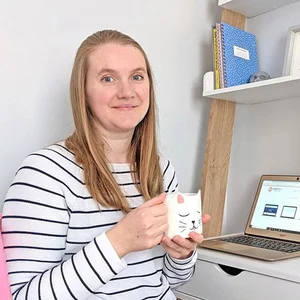
Karen McCurry is Centre Manager of Snowdrop Argyll and has worked in the third sector for more than twenty years. She is passionate about community-led support, inclusion, wellbeing and helping people discover their strengths, purpose and connection.
This blog reflects the personal reflections and experiences of the author and is intended to encourage discussion about issues affecting communities and community organisations.